
Overview
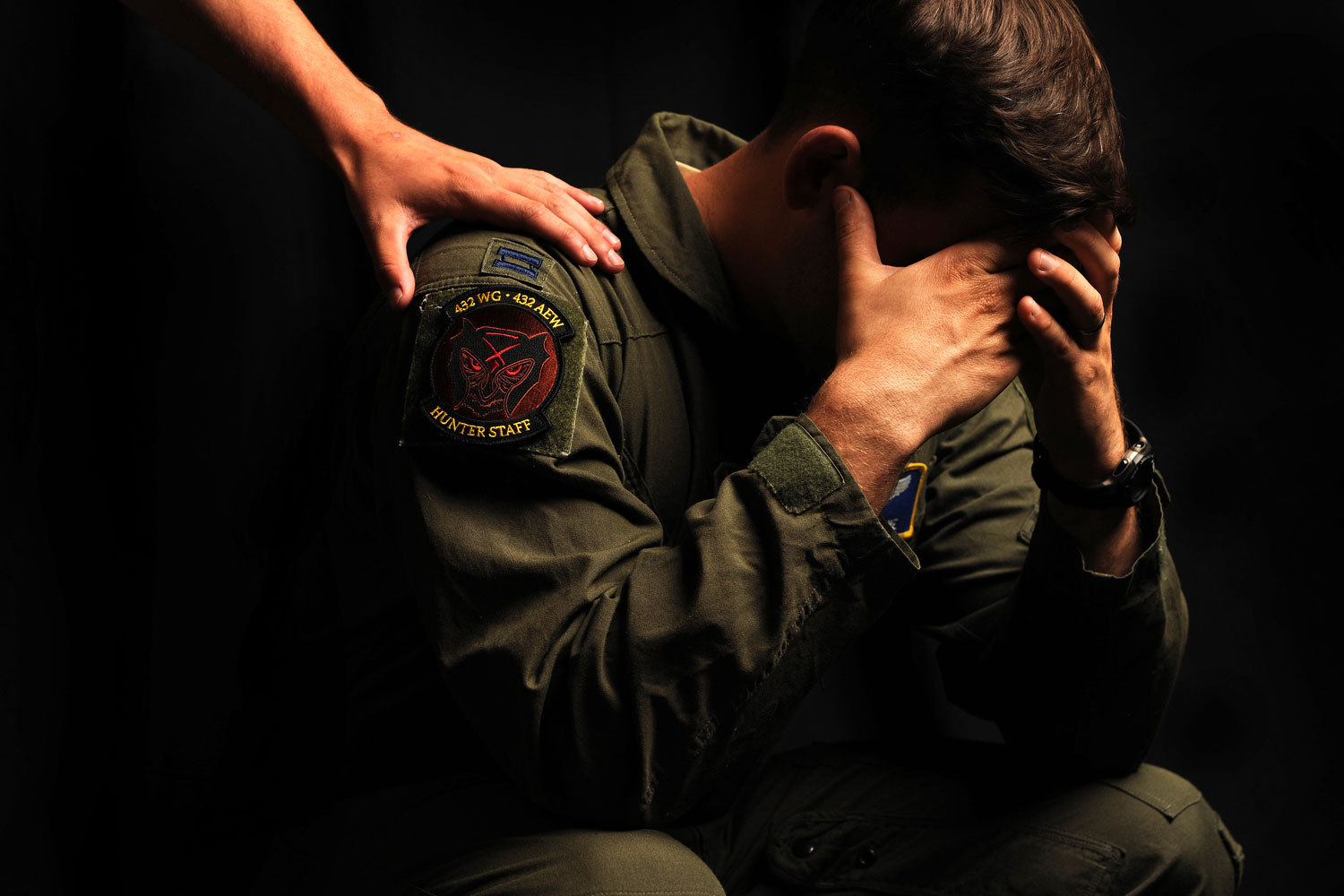
Post-traumatic stress disorder (PTSD) is a mental health condition that's triggered by a terrifying event — either experiencing it or witnessing it. Symptoms may include flashbacks, nightmares and severe anxiety, as well as uncontrollable thoughts about the event.Most people who go through traumatic events may have temporary difficulty adjusting and coping, but with time and good self-care, they usually get better. If the symptoms get worse, last for months or even years, and interfere with your day-to-day functioning, you may have PTSD.
Getting effective treatment after PTSD symptoms develop can be critical to reduce symptoms and improve function.
Symptoms
Post-traumatic stress disorder symptoms may start within one month of a traumatic event, but sometimes symptoms may not appear until years after the event. These symptoms cause significant problems in social or work situations and in relationships. They can also interfere with your ability to go about your normal daily tasks.PTSD symptoms are generally grouped into four types: intrusive memories, avoidance, negative changes in thinking and mood, and changes in physical and emotional reactions. Symptoms can vary over time or vary from person to person.
Intrusive memories
Symptoms of intrusive memories may include:
Recurrent, unwanted distressing memories of the traumatic event
Reliving the traumatic event as if it were happening again (flashbacks)
Upsetting dreams or nightmares about the traumatic event
Severe emotional distress or physical reactions to something that reminds you of the traumatic event
Avoidance
Symptoms of avoidance may include:
Trying to avoid thinking or talking about the traumatic event
Avoiding places, activities or people that remind you of the traumatic event
Negative changes in thinking and mood
Symptoms of negative changes in thinking and mood may include:
Negative thoughts about yourself, other people or the world
Hopelessness about the future
Memory problems, including not remembering important aspects of the traumatic event
Difficulty maintaining close relationships
Feeling detached from family and friends
Lack of interest in activities you once enjoyed
Difficulty experiencing positive emotions
Feeling emotionally numb
Changes in physical and emotional reactions
Symptoms of changes in physical and emotional reactions (also called arousal symptoms) may include:
Being easily startled or frightened
Always being on guard for danger
Self-destructive behavior, such as drinking too much or driving too fast
Trouble sleeping
Trouble concentrating
Irritability, angry outbursts or aggressive behavior
Overwhelming guilt or shame
For children 6 years old and younger, signs and symptoms may also include:
Re-enacting the traumatic event or aspects of the traumatic event through play
Frightening dreams that may or may not include aspects of the traumatic event
Causes
You can develop post-traumatic stress disorder when you go through, see or learn about an event involving actual or threatened death, serious injury or sexual violation.Doctors aren't sure why some people get PTSD. As with most mental health problems, PTSD is probably caused by a complex mix of:
Stressful experiences, including the amount and severity of trauma you've gone through in your life
Inherited mental health risks, such as a family history of anxiety and depression
Inherited features of your personality — often called your temperament
The way your brain regulates the chemicals and hormones your body releases in response to stress
Complications
Post-traumatic stress disorder can disrupt your whole life ― your job, your relationships, your health and your enjoyment of everyday activities.Having PTSD may also increase your risk of other mental health problems, such as:
Depression and anxiety
Issues with drugs or alcohol use
Eating disorders
Suicidal thoughts and actions
Prevention
After surviving a traumatic event, many people have PTSD-like symptoms at first, such as being unable to stop thinking about what's happened. Fear, anxiety, anger, depression, guilt — all are common reactions to trauma. However, the majority of people exposed to trauma do not develop long-term post-traumatic stress disorder.Getting timely help and support may prevent normal stress reactions from getting worse and developing into PTSD. This may mean turning to family and friends who will listen and offer comfort. It may mean seeking out a mental health professional for a brief course of therapy. Some people may also find it helpful to turn to their faith community.
Support from others also may help prevent you from turning to unhealthy coping methods, such as misuse of alcohol or drugs.
Resources
All links included on this site are provided as a courtesy to serve as a resource for those seeking additional information regarding various physiatric treatments.
We do not endorse any specific product or organization.