


Bipolar disorders and mood disorders
Bipolar disorder (also known as manic depression) is a treatable illness marked by extreme changes in mood, thought, energy and behavior. It is called bipolar disorder because a person's mood can alternate between the "poles" of mania (high, elevated mood) and depression (low, depressed mood).
Read more

Schizophrenia and psychotic disorders
Psychotic disorder due to medical condition: Hallucinations, delusions, or other symptoms may happen because of another illness that affects brain function, such as a head injury or brain tumor. Paraphrenia: This condition has symptoms similar to schizophrenia. It starts late in life, when people are elderly.
Read more

Autism spectrum disorders
Autism and autism spectrum disorder (ASD) are both general terms for a group of complex disorders of brain development. These disorders are characterized, in varying degrees, by difficulties in social interaction, verbal and nonverbal communication and repetitive behaviors.
Read more
Co Morbid Disorders
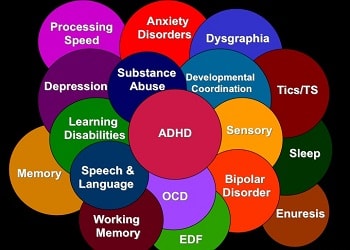
When two disorders or illnesses occur in the same person, simultaneously or sequentially, they are described as comorbid. Comorbidity also implies interactions between the illnesses that affect the course and prognosis of both.

PTSD
Post-traumatic stress disorder (PTSD) is a type of anxiety disorder. It can occur after you have gone through an extreme emotional trauma that involved the threat of injury or death.

Panic attacks/Anxiety disorders
Stress can come from any event or thought that makes you feel frustrated, angry, or nervous. Anxiety is a feeling of fear, unease, and worry. The source of these symptoms is not always known.
Read more